Understanding eczema
What Is Eczema, Exactly?
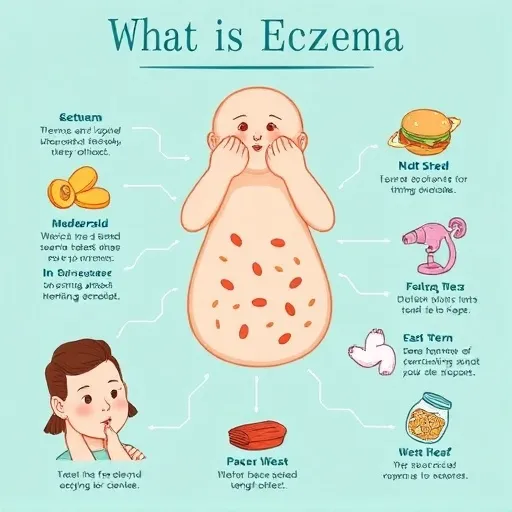
Before we dive into the many eczema causes, let's quickly unpack what this condition actually is. Eczema is a chronic inflammatory skin condition marked by dryness, redness, intense itching, and sometimes oozing or crusting. The most common form is atopic dermatitis, but there are several other types too — including contact dermatitis, dyshidrotic eczema, nummular eczema, and seborrheic dermatitis. What all of these share is a disrupted skin barrier paired with an overreactive immune system. That combo is basically the foundation for nearly every eczema causes discussion you'll ever come across.
The Big Picture Behind Eczema Causes and Skin Barrier Breakdown
Think of your skin as a brick wall. The "bricks" are skin cells, and the "mortar" is a blend of lipids and proteins — especially one called filaggrin. When that mortar gets weak, moisture escapes and irritants, allergens, and microbes slip right in. Your immune system panics, launches an inflammatory response, and boom — you've got an eczema flare. So when we talk about eczema causes, it really boils down to two intertwined categories:
- Internal factors — genetics, immune dysfunction, and skin barrier defects
- External factors — environmental triggers, irritants, allergens, and lifestyle elements
Genetics and Immune Dysfunction as Core Eczema Causes
If someone in your family has eczema, asthma, or hay fever, your odds of developing eczema go up significantly. That's because these conditions often travel together, a pattern known as the atopic march. By 2026, genetic research has identified dozens of gene variants tied to eczema. The most well-known is the filaggrin gene (FLG). Mutations there weaken the skin barrier, making it easier for irritants to penetrate and moisture to escape. But filaggrin isn't the whole story — researchers have also found variants linked to immune signaling, lipid metabolism, and skin microbiome regulation. The big takeaway? Genetics load the gun, but environmental factors often pull the trigger. That interplay is one of the most misunderstood eczema causes.
Your skin barrier is your first line of defense. When it's compromised, everything falls apart. A weakened barrier means water evaporates faster (leading to dry, cracked skin), irritants like soap, pollution, and harsh fabrics get in easily, and allergens like pollen and pet dander trigger immune reactions. On top of that, harmful bacteria — especially Staphylococcus aureus — colonize the skin. That's why moisturizing isn't just a nice-to-have for eczema sufferers. It's literally rebuilding the barrier that's failing.
Even if your skin barrier were perfect, an overactive immune system could still drive eczema. In people with eczema, certain immune cells (like T-helper 2 cells) release inflammatory chemicals — cytokines like IL-4 and IL-13 — that fuel itching and inflammation. By 2026, targeted therapies are focusing heavily on these immune pathways. From a causes perspective, the point is simple: eczema isn't just a skin problem. It's an immune system problem that shows up on the skin — and one of the most significant eczema causes researchers continue to study.
Environmental Triggers and Allergens That Drive Eczema Causes
This is where things get personal. Environmental triggers vary wildly from person to person. Some of the most common irritants include harsh soaps and detergents, shampoos and body washes with fragrances, cleaning products, rough fabrics like wool, and tobacco smoke. On the allergens side, you've got dust mites, pet dander, pollen, mold, and certain foods.
Climate and weather matter too. Cold, dry air strips moisture from the skin. Hot, humid weather causes sweating, which irritates eczema. And sudden temperature changes? Also a common trigger. These eczema causes are often overlooked because they seem so ordinary.
Food Allergies, Stress, and Hormones as Eczema Causes
Let's clear something up: food allergies don't cause eczema in everyone. But in some people — especially young children — certain foods can trigger or worsen flares. Common culprits include eggs, milk, peanuts and tree nuts, soy, wheat, and shellfish. However, by 2026, experts strongly caution against eliminating foods without proper testing. Unnecessary dietary restrictions can lead to nutritional deficiencies, especially in kids. If you suspect a food trigger, work with a qualified healthcare professional.
Stress doesn't cause eczema, but it absolutely can make it worse. When you're stressed, your body releases cortisol and other hormones that ramp up inflammation and weaken the skin barrier. Plus, stress often leads to poor sleep and unhealthy habits — both of which can trigger flares. Many people also get stuck in an itch-scratch cycle where stress increases itching, scratching damages the skin, and damage causes more itching. Breaking that cycle is a huge part of managing eczema.
Hormones play a bigger role than many people realize. Flares often coincide with puberty, pregnancy, menstruation, and menopause. Shifts in estrogen and progesterone can affect immune function and skin hydration, making some people more flare-prone during certain life stages. These hormonal shifts are among the lesser-discussed eczema causes.
Skin Microbiome, Pollution, and Lifestyle as Eczema Causes
Your skin is home to trillions of microorganisms — bacteria, fungi, and viruses — collectively known as the skin microbiome. In healthy skin, this community keeps harmful bacteria in check. In eczema-prone skin, the balance is off. One of the biggest culprits is Staphylococcus aureus, which tends to overgrow on eczema skin and produces toxins that trigger inflammation and itching. By 2026, microbiome-based therapies are a hot area of research, with probiotics and bacteriotherapy showing real promise.
We also can't ignore the environment we live in. Air pollution, including particulate matter and volatile organic compounds, has been linked to higher rates of eczema, especially in urban areas. These pollutants can damage the skin barrier and trigger oxidative stress. Indoor pollution matters too — think cleaning chemicals, synthetic fragrances, and off-gassing from furniture and paint. By 2026, "clean living" isn't just a trend; for eczema sufferers, it's often a necessity.
Certain habits can tip the scales toward flare-ups: hot showers strip natural oils, low humidity environments are drying, poor sleep disrupts immune regulation and skin repair, a sedentary lifestyle is associated with more inflammation, and smoking and alcohol are both linked to worse eczema outcomes. On the flip side, good habits — regular moisturizing, gentle skincare, stress management, and adequate sleep — can dramatically reduce flare frequency. These lifestyle-driven eczema causes are things you actually have some control over.
The Gut-Skin Connection and Identifying Your Eczema Causes
One of the most exciting areas of 2026 eczema research is the gut-skin axis. Studies continue to show that people with eczema often have different gut microbiomes than those without. Low diversity, fewer beneficial bacteria, and higher levels of inflammatory strains are common patterns. This has led to growing interest in probiotics, prebiotics, and dietary approaches to support skin health from the inside out. It's not a magic cure, but it's an important piece of the puzzle when mapping out eczema causes.
Because eczema causes vary so much from person to person, a personalized approach is essential. Keep a symptom diary tracking flares, foods, weather, stress levels, and skincare products. Patch test new products, introducing one thing at a time. Simplify your routine with fragrance-free, dye-free products. Get professional allergy testing to uncover hidden triggers. And work with a dermatologist or immunologist — in 2026, personalized care is more accessible than ever.
Here's the thing: eczema causes aren't simple. It's not just dry skin, and it's not just allergies. It's a tangled web of genetics, immune responses, environmental exposures, and lifestyle factors all working together. Understanding those eczema causes gives you power. By identifying your personal triggers and building a skincare and lifestyle routine that supports your skin barrier, you can reduce flares and improve your quality of life. Whether you're newly diagnosed or have been dealing with eczema for years, staying informed — and staying patient — is key. Take care of your barrier, manage your stress, watch your triggers, and don't hesitate to seek expert help. Eczema may be a lifelong companion for some, but it doesn't have to run your life.